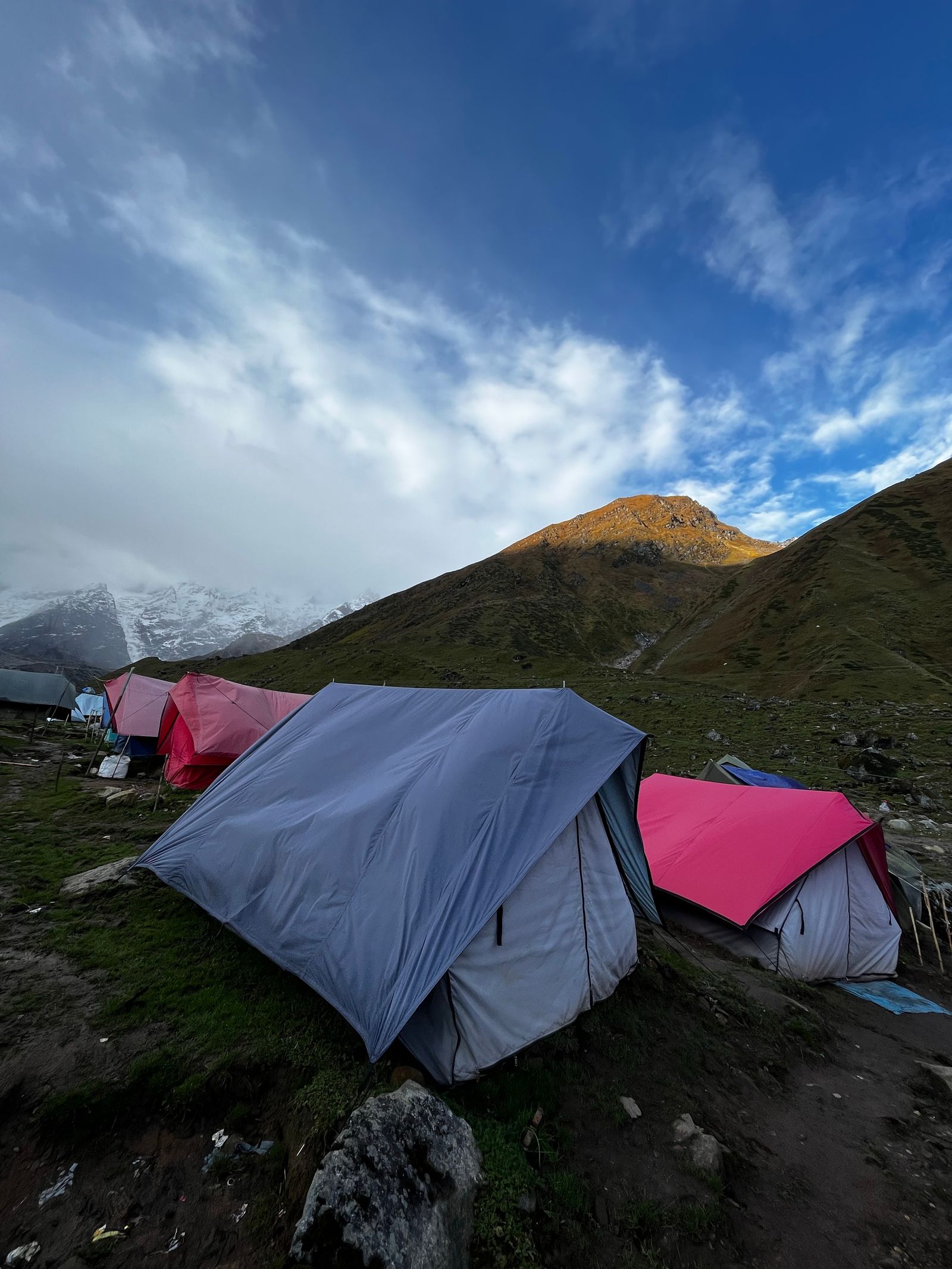
When it comes to finding the perfect tent for your next outdoor adventure, the variety of tent types can quickly become overwhelming. Dome, tunnel, or geodesic tent – which tent shape best suits your needs? In our practical camping tent comparison, we'll walk you through the key features to make your choice easier.
Why Is Choosing the Right Tent So Important?
Your tent isn't just your protection from wind and weather – it also has a major impact on your comfort and safety on the go. The wrong tent type can reduce your sleep quality and even leave you exposed in bad weather. That's why it pays to take a closer look at the differences between tent shapes.
Comparing Tent Types: Overview and Features
Let's start with a tent types overview that highlights the different constructions and use cases:
- Dome tents: Characterized by their crossing pole arches, which give the tent a stable, dome-shaped structure. They stand out especially for their high stability combined with light weight.
- Tunnel tents: These tents feature a long, pole-shaped form. They offer plenty of interior space while typically being especially lightweight and easy to pitch. Typical tunnel tent features include efficient use of space and good ventilation.
- Geodesic tents: A complex, interlocking pole structure makes them extremely wind-resistant – ideal for alpine terrain and harsh weather conditions.
The Advantages of Each Tent Shape
If you want the tent shapes explained properly, you should first know the pros and cons of each:
- Dome tent advantages: Quick and easy to pitch, especially wind-stable, and impressively compact when packed. Perfect for backpackers and trekking trips.
- Tunnel tent features: Huge interior space, good headroom, versatile use. Only sensitive to wind direction and need to be staked out properly.
- Geodesic tent characteristics: Maximum stability even under snow loads and storms; they're a bit heavier and more demanding to pitch, but they're the top choice in the mountains.
Which Tent Suits You? How to Make the Best Decision
When choosing, always weigh your trip conditions, comfort preferences, and transport options. For short hiking trips, a dome tent is often enough – quick and compact.
If you're on longer expeditions or camping with lots of gear, tunnel tents excel thanks to their generous space. For extreme conditions and alpine terrain, geodesic tents are unbeatable.
Camping Tent Comparison for Your Outdoor Getaway
Whether you prefer a dome, tunnel, or geodesic tent, each model has clear strengths that matter when planning your trip. Let the different tent types inspire you, and choose exactly the tent that will keep you safe and comfortable along the way.
Checklist: What to Look for When Buying
- Weight and packed size – essential for trekking
- Water- and windproofing – protection from the elements
- Interior space and standing height – comfort during longer stays
- Setup effort – time and ease of use on-site
- Material quality and ventilation – protection against condensation
- Price-to-performance ratio – budget-friendly selection
With this practical knowledge, you're well equipped to choose between the different tent types. Time for new adventures under the open sky!