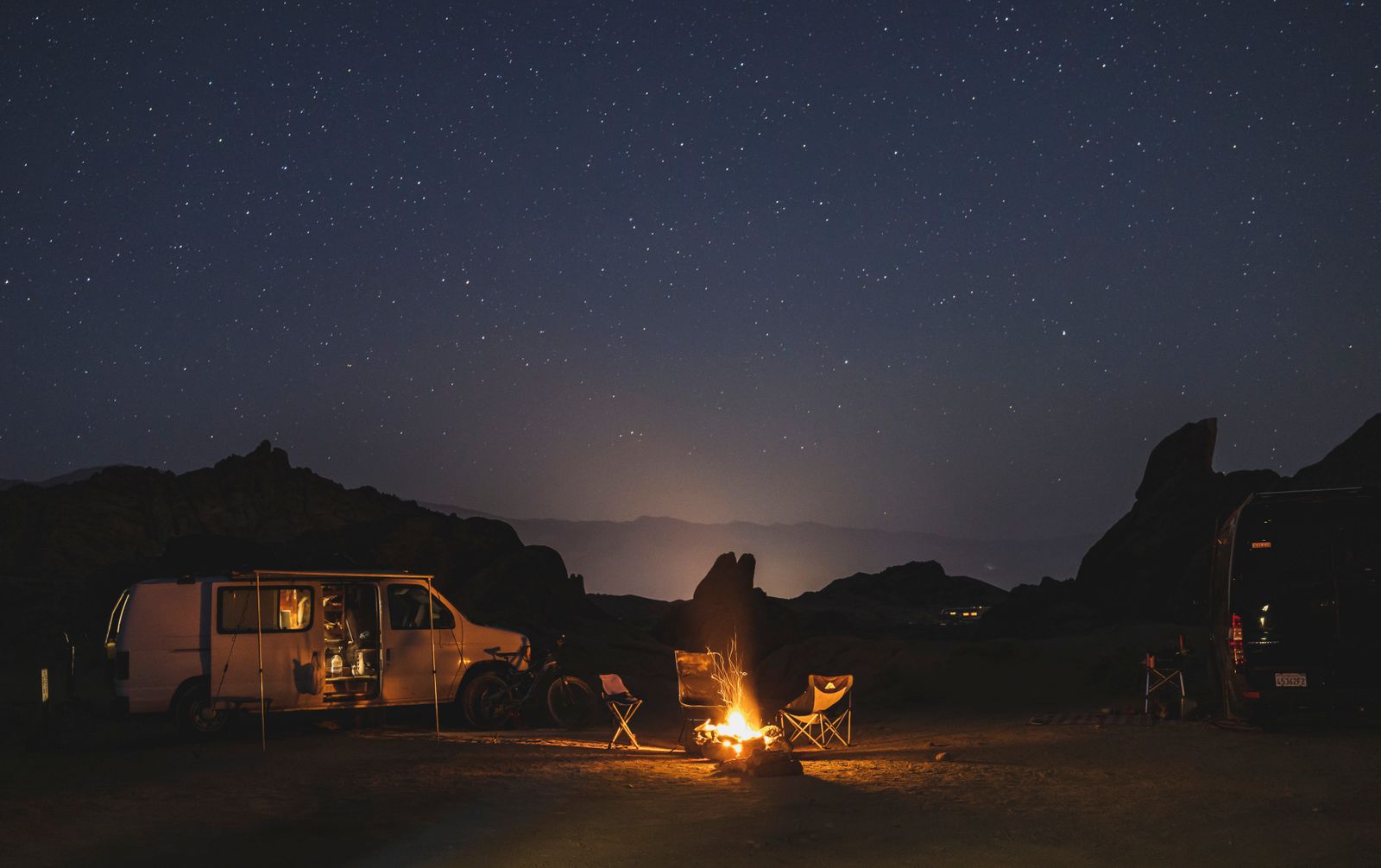
A warm campfire is, for many, simply part of the perfect camping experience. The flickering glow, the crackling wood, and the cosy atmosphere make every night under the open sky unforgettable. But fire isn't just fun — above all, it demands responsibility.
Many campers ask themselves: How do I build a safe fire without endangering nature or myself? And what rules even apply to lighting a fire while camping? In this article, we'll give you practical tips, show you the legal requirements, and explain how to make fire in an environmentally friendly way.
Why is campfire safety so important?
Nothing can ruin a trip faster than a campfire that's gotten out of control. Wildfires, injuries, and fines are unfortunately often the result of carelessness or lack of knowledge. Especially during dry summer months, fires are particularly risky and are strictly regulated by authorities.
What's more, burning in the wrong spots or with unsuitable materials can cause lasting damage to nature and disrupt the ecosystem. Safe practices protect not only you and your fellow campers, but also the environment we all want to enjoy.
Legal guidelines for camping: What's allowed and what isn't?
Before you touch the firewood, you should find out about the regional legal regulations. In Germany, rules vary depending on the federal state and area. The following points are often important:
- Lighting a fire is only permitted in designated areas, especially in nature reserves or forests.
- During dry spells or when wildfire warnings are in effect, a complete fire ban may apply.
- The size of the fire is often limited and must be supervised at all times.
- It's prohibited to use unauthorised fire pits or to burn rubbish and plastic.
Be sure to check with local authorities or campsite websites before your trip to avoid trouble.
Fire-making tips for safe and eco-friendly camping
To make your campfire a highlight while keeping it safe and sustainable, these tips will help:
- Choose the right spot: Use official fire pits or build a fire pit on non-flammable ground (stones, sand).
- Keep your distance: Leave enough space between the fire and your tent, trees, and dry grass.
- Prepare firewood properly: Use dry wood from permitted sources — avoid painted or treated materials.
- Never burn rubbish: Plastic, paper, or cans don't belong in the fire — they're toxic and harmful.
- Always keep an eye on the fire: Never leave a fire unattended, and always keep water or sand on hand for extinguishing.
- Extinguish it eco-consciously: Put the fire out thoroughly with water until no more steam rises and the embers are completely out.
Enjoying a safe campfire as a ritual
Handling fire correctly isn't just a matter of safety, but also of respect — for nature and for the people around you. A carefully lit campfire will stay with you for a long time and make your evenings unforgettable.
Use our fire-making tips and stick to the rules — that way you can fully enjoy the adventure of camping without any complications.
Your checklist: Safe fire-making while camping
- Find out about local fire bans and legal requirements
- Only use designated fire pits or established, safe fire spots
- Source firewood locally and make sure it's dry
- Don't burn prohibited materials (plastic, treated wood)
- Never leave the fire unattended
- Keep water, sand, or a fire extinguisher within reach
- Extinguish the fire completely before going to sleep or leaving the site
With this knowledge, nothing stands in the way of a safe and unforgettable camping evening by the fire. Pack your gear, follow the rules, and enjoy the dance of flames under the starry sky!