Sound familiar? On long hikes or when camping in remote areas, keeping your phone powered is often the Achilles' heel of any trip. No signal, no charger, no power – and suddenly your most important outdoor tool is nothing more than an expensive paperweight.
So how do you avoid this frustrating situation and stay reliably powered up on the go? The answer lies in modern, portable power supplies: powerbanks, solar chargers, and external batteries are now essential gear for any outdoor enthusiast who depends on reliable phone chargers.
Why Ordinary Phone Chargers Aren't Enough Out There
Back in civilization, charging is quick and easy: plug in, done. In the wilderness, however, there's no power source waiting for you – you have to take care of your own energy supply. Phones, GPS devices, and cameras drain power fast, especially with constant use for navigation or communication.
That's why portable power sources are essential. Classic powerbanks let you get through multiple charge cycles without a wall outlet. But they have one weak spot: they need to be fully charged themselves before your trip. This is where solar powerbanks and solar chargers come in, drawing energy straight from the sun – practical, effective, and sustainable.
Solar Powerbanks – Your Top-Tier Power Source in the Field
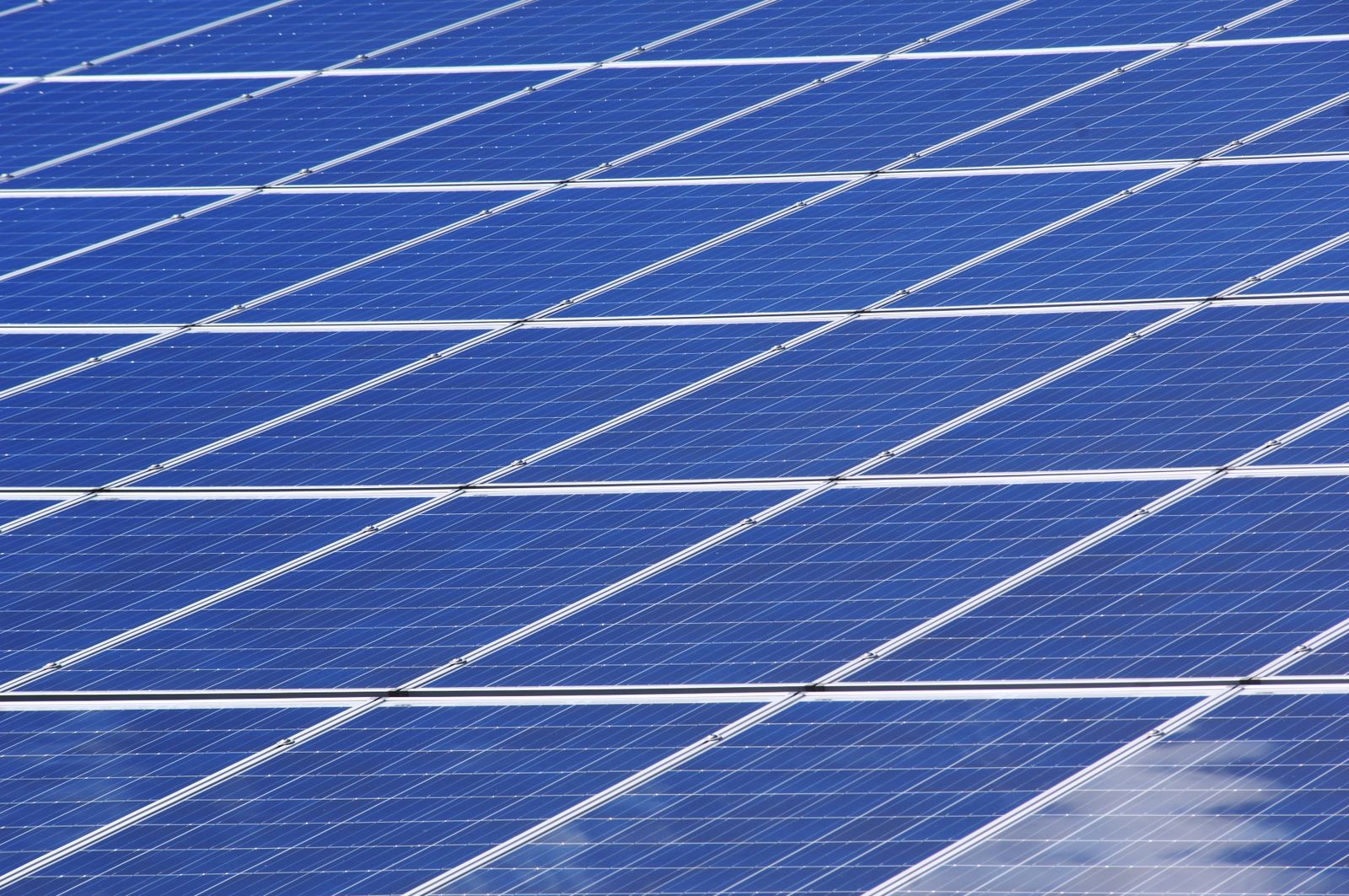
Solar powerbanks combine standard battery capacity with solar panels to top up small amounts of energy on the go. For trekking tours where no power outlet is in sight, they're often a lifesaver. Charging with sunlight gives you an extra edge in self-sufficiency.
An important note when choosing one: solar panels are usually small and only charge sensitive batteries slowly. For a full charge, it's best to also rely on a conventional power source – the solar function serves as a handy backup while you're out on the trail.
External Batteries and Powerbanks – The Classics of Power Supply
External batteries come in many sizes and capacities – from ultra-light models with 5,000 mAh to rugged powerbanks with 20,000 mAh or more for multiple charge cycles. Finding the right model depends on the length of your trip and your power consumption.
Besides capacity, pay attention to weight and charging speed. USB-C Power Delivery makes charging faster and more efficient, saving you time on the go. For longer tours, it's also worth considering multiple batteries or a combination with solar chargers to give yourself more flexibility.
Practical Tips for Your Mobile Power Supply
Plan your power supply carefully before every tour:
- Charge fully: Fully charge all powerbanks and batteries before you set off.
- Make use of solar panels: Actively use sunlight during longer breaks or while setting up camp.
- Save power: Lower your phone's screen brightness, turn off unused features, and plan your usage mindfully.
- Right order: Charge your phone first, then your accessory devices.
- Protect from the weather: Use waterproof cases for your powerbanks and solar chargers to protect them from rain and moisture.
With these tricks, your phone stays reliably ready to use, even in remote regions.
Conclusion: Freedom on the Trail with a Reliable Power Supply
Whether it's a short trip or a multi-day expedition – with the right combination of external batteries, powerbanks, and solar chargers, you're on the safe side. Your phone will always have enough juice to check maps, snap photos, or make emergency calls.
Pack your phone accessories and portable power supply smartly – and you'll be perfectly equipped for any outdoor challenge.
Checklist: Power Supply for Trekking
- High-capacity powerbank (at least 10,000 mAh)
- Solar powerbank or solar charger
- Assorted charging cables for phone and accessories
- Waterproof protective pouches for batteries and chargers
- Optional: spare battery for longer tours
- USB-C chargers and fast-charging technology