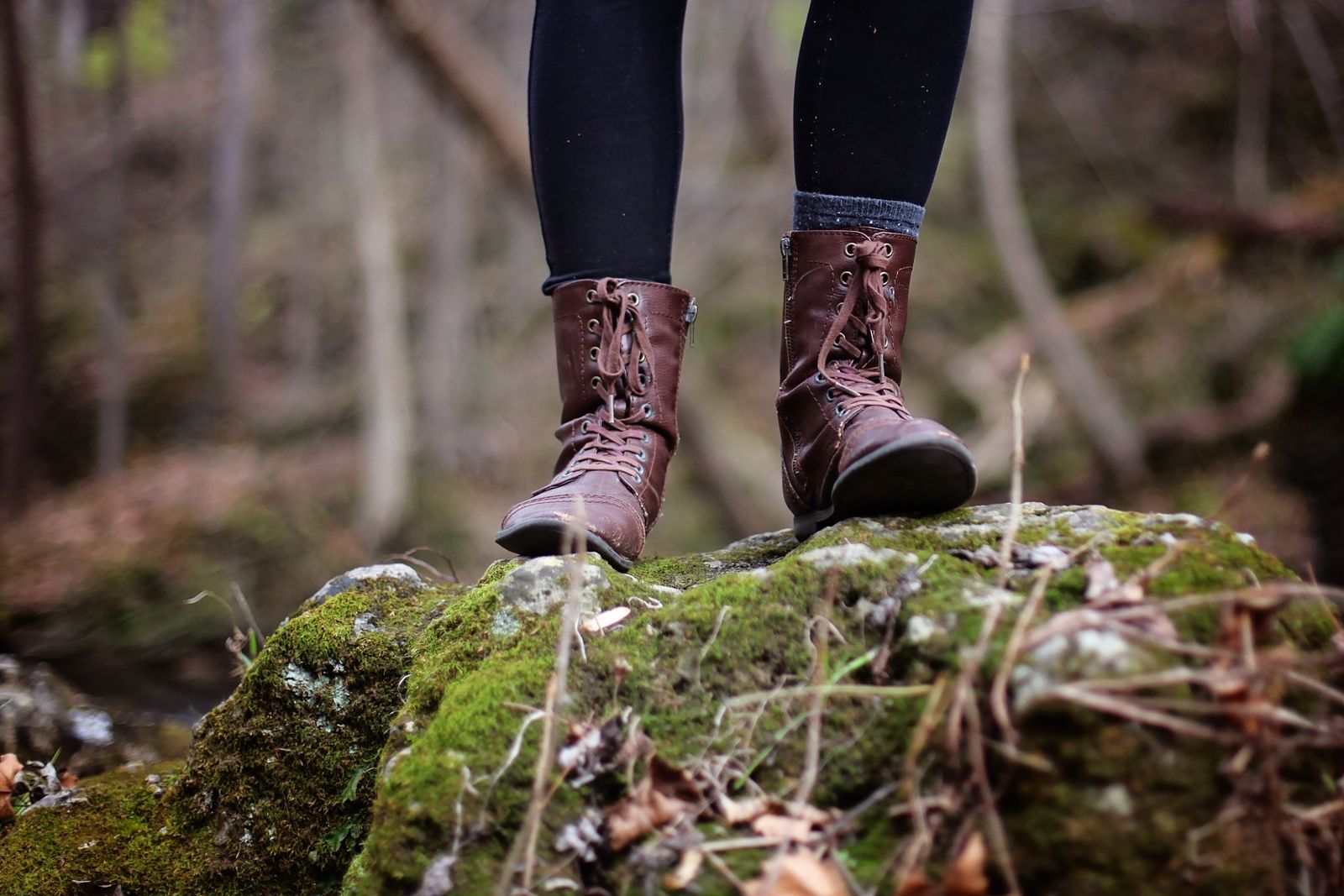
Who doesn't know the feeling? The joy of a long hike is quickly dampened when blisters form on your feet. These small, painful injuries can turn a great outdoor experience into an uncomfortable ordeal in no time.
Blisters aren't just unpleasant — they can put your entire tour at risk. The question is: how can you prevent blisters and strengthen foot health in a targeted way? Often, the key lies in combining proper foot care with the right choice of footwear.
Our feet carry us for hours across all kinds of terrain, and they deserve special attention. A lack of care or the wrong shoes can quickly lead to friction, pressure points, and ultimately blisters. But with a few simple steps and the right knowledge, this problem can usually be well under control.
Proper Foot Care: The Foundation for Healthy Feet
Well cared-for, well-prepared feet are less prone to blisters. The skin on your feet should be cleaned regularly and, above all, cared for to keep it supple.
- Cleaning: Wash your feet daily with lukewarm water and mild soap to remove dirt and bacteria.
- Care: Use moisturizing creams or special foot balms to keep the skin elastic. Avoid dry, cracked skin, which is especially prone to blisters.
- Friction protection: Before your tour, foot powder or special blister plasters on particularly stressed areas can help reduce friction.
- Regular checks: Watch for skin changes, calluses, or pressure points so you can act early.
Footwear Tips: How to Get the Perfect Fit for Hiking or Running Shoes
A crucial factor for staying blister-free is choosing the right shoes. Many outdoor enthusiasts underestimate how important fit and the correct shoe size really are. Even comfortable shoes can cause blisters if they don't fit optimally.
- Guide to determining shoe size: Measure not just the length but also the width of your foot. Feet swell during activity, so allow a little extra room in the shoe.
- Choose comfortable shoes: Go for shoes that offer good support, a stable heel cup, and enough room for your toes, without your foot sliding around inside the shoe.
- Material and breathability: High-quality uppers and breathable membranes prevent sweating and skin irritation.
- Break-in period: New shoes should be broken in slowly before longer tours to avoid pressure points.
Combining proper foot care with the right choice of footwear is the best way to prevent blisters and improve foot health. That way, nothing stands in the way of a carefree hike or an endurance run.
Try it yourself: care for your feet diligently and invest time in choosing the right footwear — your feet will thank you!
Checklist for Blister-Free Outdoor Adventures
- Daily cleaning and care of your feet
- Use foot creams and powder to reduce friction
- Carry blister plasters for sensitive spots
- Carefully determine your shoe size (length and width)
- Make sure you have a good fit and firm support
- Choose breathable, high-quality materials
- Break in new shoes slowly
- Check your feet regularly during and after the tour