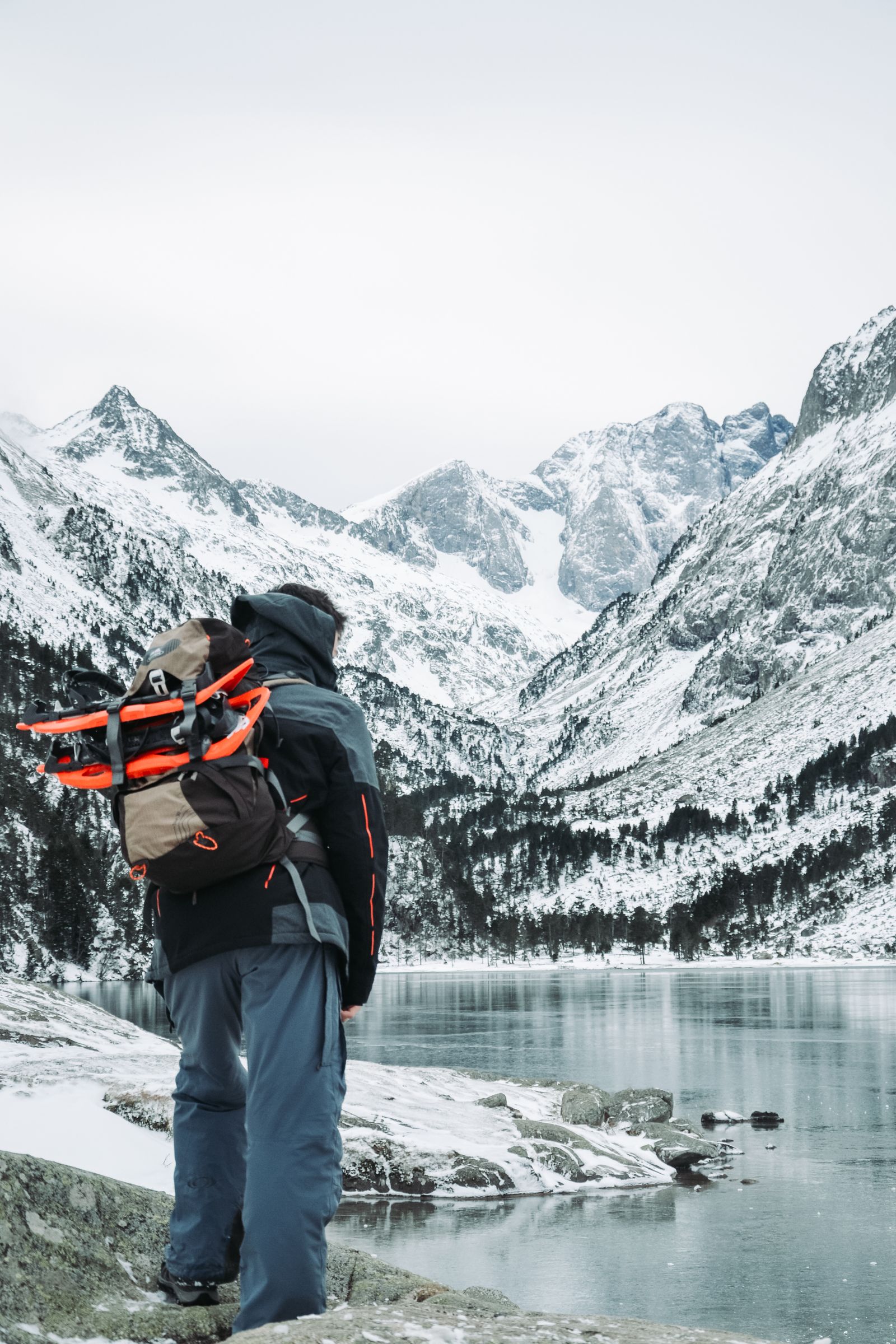
We've all been there: you spot a beautiful mountain route on the map and think the hike will be a breeze. Then comes the unexpected climb that changes everything. The secret often lies in the elevation gain. Here's how to assess it correctly and how it really affects your mountain hike.
Why Is Estimating Elevation Gain So Important When Planning Routes?
The amount of elevation gain says more about how strenuous a hike will be than the distance alone. Walking a few flat kilometers is far easier than covering a shorter distance with a thousand meters of climbing. That's why route planning based on elevation gain is a crucial factor in preventing exhaustion and accurately gauging your personal performance.
Anyone who can correctly judge elevation gain knows better how much time to allow for the ascent, when breaks are needed, and which gear makes sense.
How Elevation Gain Affects Your Hike and Fitness
When mountain hiking, elevation gain also serves as a fitness metric: the more elevation you climb, the harder it works your cardiovascular system and muscles. That's why elevation gain and fitness directly impact your performance and well-being.
Misjudging elevation gain can lead to overwhelming experiences that hurt your motivation and safety. Anyone who realistically estimates elevation gain on a mountain hike can prepare better and truly enjoy the journey.
Tips for Correctly Estimating Elevation Gain
- Use maps and apps: Digital tools like Komoot or Outdooractive show precise elevation profiles – helping you realistically plan elevation gain and gradients.
- Do your research beforehand: Trip reports and route descriptions reveal just how demanding the elevation gain really is.
- Assess the terrain: The steeper the climb, the slower your progress. 300 meters of elevation gain on a steep trail is far more strenuous than on a forest road.
- Factor in your fitness level: The fitter you are, the faster and less exhausting you'll find climbing elevation. Train endurance and strength specifically for mountain hikes.
How to Optimize Your Route Planning with Elevation Gain
Plan your hike not just by distance, but above all by elevation gain. Estimate the time needed based on rules of thumb (e.g., roughly 300 meters of elevation gain per hour, depending on fitness). Don't forget the descents – while usually technically easier, they can put a lot of strain on your knees.
Set realistic stage goals that account for your fitness level. Also keep an eye on weather and terrain changes that can affect how well you manage elevation gain.
This turns your planning into a truly successful and rewarding mountain hike.
Conclusion: Understanding Elevation Gain = Enjoying Your Mountain Hike
Correctly estimating elevation gain is the key to a relaxed and safe hike in the mountains. It has a major influence on your pace, your endurance, and how much fun you have on the trail.
The better your elevation-gain route planning, the more smoothly your mountain hike will go – whether you're an ambitious mountaineer or a leisurely hiker.
Checklist: How to Have Elevation Gain and Your Hike Fully Under Control
- Use a map or digital app with elevation profiles
- Read trip reports and reviews beforehand
- Realistically assess gradient and terrain
- Honestly evaluate your own fitness level
- Plan enough breaks and time buffers for ascents and descents
- Adapt your gear to the gradient and length (e.g., trekking poles, suitable footwear)
- Watch the weather conditions and adjust your route plan if necessary
With this preparation, you're perfectly equipped to tackle any mountain hike with confidence and make the most of your outdoor adventure. Grab your hiking boots and off you go!